When one side of the cabin feels cold, and the other blows warm air, the A/C system is still doing part of its job. The compressor may be operating, and refrigerant may be circulating, but something is preventing both sides from receiving the same temperature.
Dual-zone climate control makes this symptom more noticeable because the driver and passenger sides use separate temperature commands. The cause may involve low refrigerant, a stuck blend door, a failed actuator, an inaccurate sensor, or a climate control module that is not sending the correct command.
Low Refrigerant Can Cool The Cabin Unevenly
A low refrigerant charge is one of the most common causes of uneven vent temperatures. Refrigerant moves through the evaporator inside the dashboard, absorbing heat from the cabin air. When the charge becomes too low, only part of the evaporator may become cold enough to cool the air passing across it.
Depending on the evaporator design and airflow path, the vents closest to the cold section may continue blowing cool air while the opposite side becomes warmer. Refrigerant does not get used up during normal operation, so a low charge indicates a leak that needs to be located rather than another routine top-off.
Blend Doors Control Air Temperature
A blend door directs cabin air through or around the heater core to create the selected vent temperature. Vehicles with dual-zone climate control may use separate blend doors for the driver and passenger sides. One door can remain in the warm position even while the other side responds correctly.
The door may stick because of a broken hinge, damaged gear, debris inside the climate control case, or a failed actuator. If the problem began suddenly and one side remains hot regardless of the temperature setting, a blend door or actuator concern deserves close attention.
A Failed Actuator May Stop One Side From Responding
Blend door actuators are small electric motors that move doors inside the dashboard. When an actuator fails, it may stop in one position, move only partway, or lose track of its commanded position. The affected vents may stay warm while the rest of the system blows cold.
A damaged actuator can also create clicking or tapping behind the dashboard when the temperature is changed, or the vehicle is started. Some actuators are accessible near the glove box or lower dashboard, while others require substantial disassembly. Testing the actuator command and movement helps confirm the failure before interior panels are removed.
Climate Control Sensors Can Report The Wrong Temperature
Automatic climate control systems use interior temperature sensors, sunlight sensors, evaporator sensors, and outside temperature data to decide how much heating or cooling each side needs. If one sensor reports inaccurate information, the system may direct warm air toward one area even though both temperature settings appear identical.
A blocked cabin sensor can create similar behavior. Dust may collect around the small intake grille, or an internal fan may stop drawing cabin air across the sensor. Scan data can show whether the temperature readings match actual conditions and whether the control module is requesting the correct door positions.
The Climate Control System May Need Recalibration
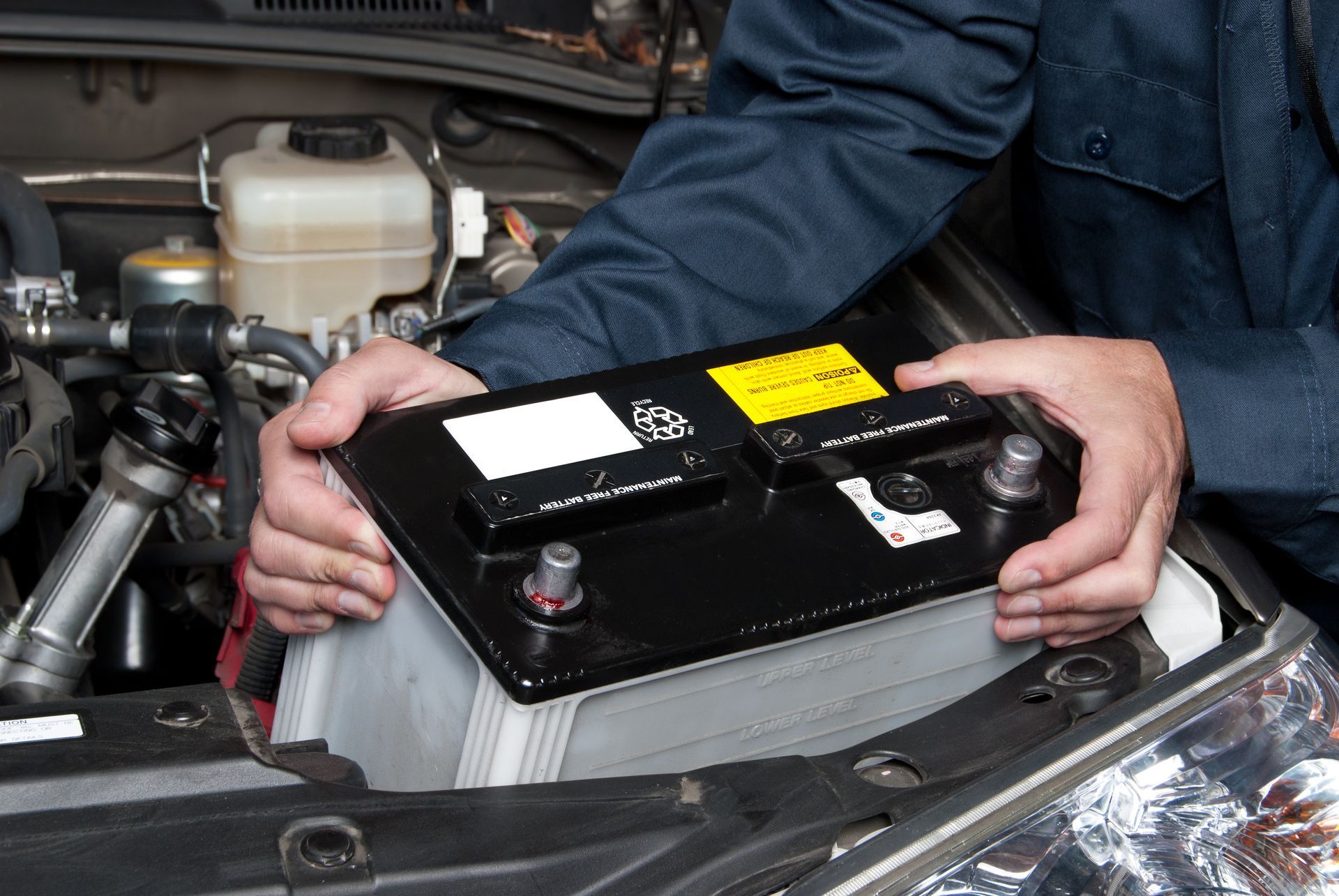
Some vehicles recalibrate their air doors after battery replacement, electrical work, actuator replacement, or loss of power. During calibration, the climate control module moves each door through its range and learns the open and closed positions.
If that process fails, one door may stop before reaching the requested temperature position. A scan tool may be needed to run the relearn and check for stored climate control faults. Recalibration can correct a lost position value, but it will not repair a broken door, damaged gear, or failed actuator motor.
Restricted Airflow Can Make One Side Feel Different
Uneven airflow can exaggerate a temperature difference. A clogged cabin air filter, blocked duct, dirty evaporator, or damaged vent door may reduce the amount of cold air reaching one side. The air at the vent may be cool, but the weak volume makes that side of the cabin feel warmer.
Check whether each vent produces a similar amount of airflow at the same blower setting. A restricted cabin filter usually affects the full system, but duct or door problems may affect only a few vents. An inspection can compare vent temperature and air volume to determine whether the concern involves cooling or distribution.
Clues That Help Identify The Cause
The way the A/C responds to temperature changes can help separate a refrigerant concern from a door or control problem.
- One side stays hot at every temperature setting.
- The warm side changes when the engine RPM increases.
- Clicking comes from behind the dashboard.
- Both sides start cold, but one becomes warm later.
- The airflow is much weaker from certain vents.
- The problem began after battery or dashboard work.
- The temperature changes when turning or accelerating.
These details help a technician decide whether to begin with refrigerant pressure, actuator operation, sensor readings, or airflow testing. Avoid forcing vents or striking the dashboard because internal climate doors and gears can break easily.
How Technicians Diagnose Uneven A/C Temperature
Diagnosis usually begins by measuring the temperature and airflow from each vent. Refrigerant pressures, compressor operation, cooling fan performance, and evaporator temperature may be checked to confirm whether the A/C system is producing enough cooling.
The technician can then scan the climate control module, command each actuator, compare door positions, and review sensor readings. An inspection may also include the cabin filter and visible ductwork. Accurate testing prevents the system from being recharged when the real problem is a stuck door or electrical fault.
Get Uneven A/C Temperature Repair In Stewartsville, NJ, With Louis Garage, Inc.
If your car blows cold air on one side and warm air on the other, Louis Garage, Inc. in Stewartsville, NJ, can test the refrigerant charge, blend doors, actuators, sensors, airflow, and climate control system.
Contact us to schedule an appointment and restore consistent cooling across the cabin.