We have all had that jarring moment where you barely tap the brake pedal and the car reacts as if you just slammed your foot down with all your might. Your seatbelt locks up, your coffee almost splashes out of the cup, and you find yourself apologizing to passengers for a jerky stop that was not even your fault. When your brakes become overly sensitive or touchy, it makes every stop sign feel like a stressful event. You lose that smooth, progressive feeling that allows for a graceful halt at a red light.
At our shop, we know that brake issues usually fall into two categories. Either the brakes do not grab enough, which is terrifying, or they grab far too much, which is incredibly frustrating and indicative of an underlying mechanical imbalance. Overly sensitive brakes are almost always a sign that one part of the system is working harder than it should or that something is interfering with the natural friction of the pads.
The Problem of Rusty Rotors
One of the most common reasons for grabby brakes is actually quite simple and often depends on the weather. Your brake rotors are made of cast iron, and iron loves to rust when it is exposed to humidity or rain. If your car sits overnight in a damp driveway, a very thin layer of surface oxidation can form on the metal.
When you first drive away in the morning and apply the brakes, the pads have to scrub that rust off. That layer of oxidation is much rougher than the smooth polished steel the pads usually grip. This extra friction causes the brakes to bite aggressively for the first few stops. Usually, this problem solves itself after a mile or two of driving, but if your rotors are heavily pitted or deeply rusted from sitting for weeks, that grabby feeling might stick around much longer.
Issues with the Power Booster
Most modern cars use a vacuum-assisted power brake booster to help you push the pedal. This system uses the vacuum from the engine to multiply the force of your foot. If the internal valves inside this booster start to fail, the system can become unregulated.
Instead of providing a smooth assist, a faulty booster might dump all of its power the moment you touch the pedal. This creates a hair-trigger effect where the slightest pressure results in maximum braking force. If you notice that your pedal feels unusually light or effortless while simultaneously being too sensitive, the booster is the first place our technicians look.
Contaminated Brake Pads
Your brakes rely on clean friction. If any kind of fluid leaks onto the brake pads or shoes, it can change how they react to the rotor. You might think that a liquid like oil or grease would make the brakes slippery, but often it has the opposite effect.
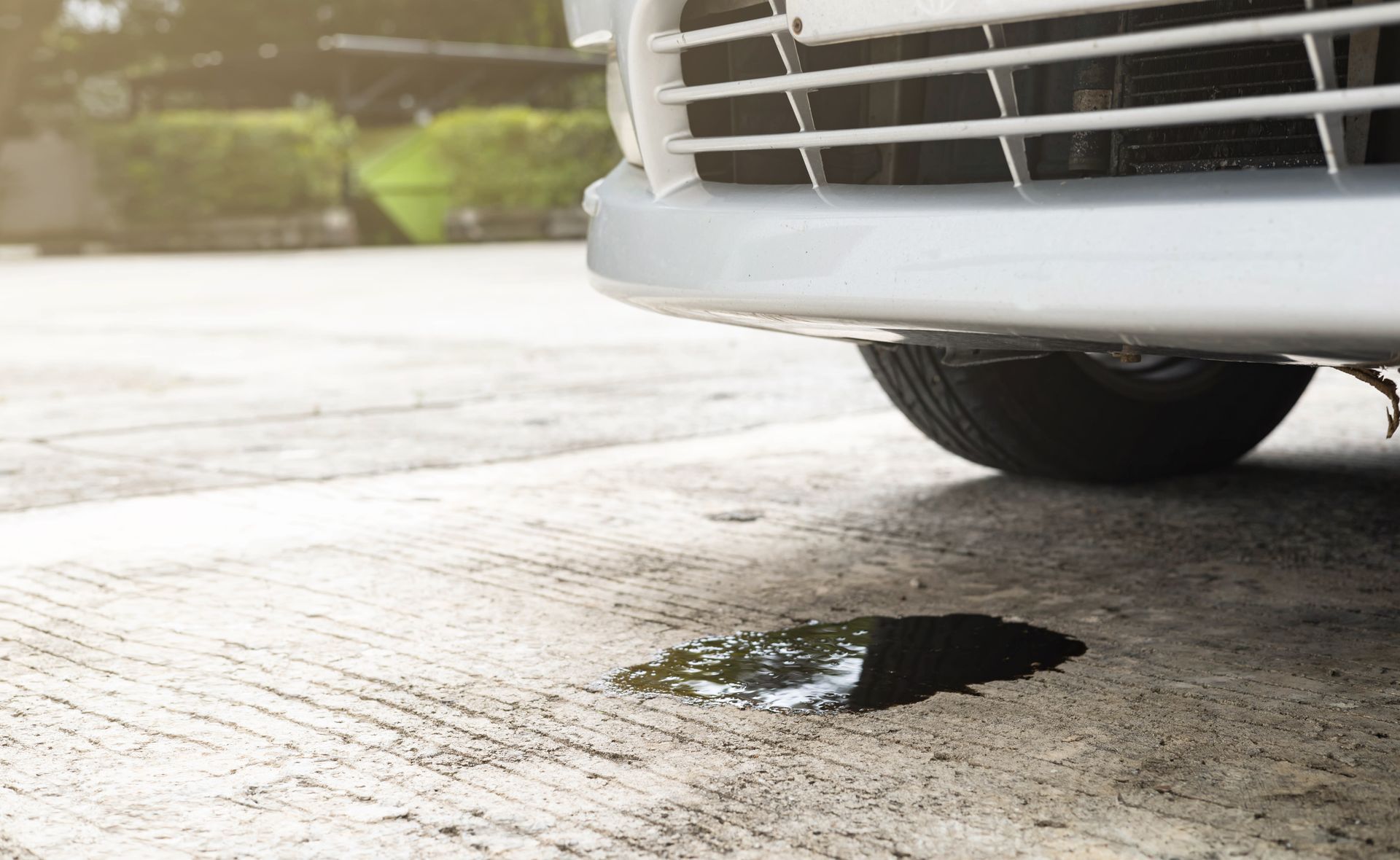
Brake Fluid Leaks: If a seal in your caliper fails, a tiny amount of brake fluid can soak into the friction material of the pad. This often makes the pad swell or become tacky, causing it to grab the rotor suddenly rather than sliding smoothly against it.
Grease and Road Grime: If a boot on your axle snaps, it can spray thick grease onto the braking surface. This contamination creates hot spots and an uneven grip that feels like the brakes are biting too hard.
Glazed Pads: If the brakes have been overheated in the past, the surface of the pads can turn into a hard, glass-like material. This glazing can lead to inconsistent performance where the brakes do nothing at first and then suddenly grab with a vengeance.
Air in the Lines or Old Fluid
Brake fluid is hydraulic, meaning it does not compress. Air, however, does compress. If you have a tiny air bubble trapped in your brake lines, it can act like a spring. When you step on the pedal, that air compresses and then releases its energy all at once, leading to an inconsistent and sensitive pedal feel. Furthermore, brake fluid absorbs water over time.
As the water content increases, the boiling point of the fluid drops, and the internal components of your calipers can begin to corrode. This corrosion can cause the brake pistons to stick, meaning they do not retract fully and are always sitting right on the edge of the rotor, ready to grab at the slightest touch.
Let Louis Garage, Inc. Restore Your Smooth Stop
If your brakes have lost their nuance and started acting erratic, it is a clear signal that the system needs a professional eye. We take brake safety very seriously here at Louis Garage, Inc. because your ability to stop predictably is the most important function of your car.
Bring your vehicle to Louis Garage, Inc. in Stewartsville, NJ, today and let us get your braking system back to that smooth, confident feeling you remember.