The estimate says control arm bushings, but the car hasn't reached the mileage you expected for suspension work. Or the opposite happens: your older car still has its original bushings, and you're wondering whether replacement is overdue even though it doesn't knock.
Both situations deserve a look at the rubber itself and how the wheel moves. Mileage helps describe use, but it doesn't show whether a bushing has spent years soaked in oil, twisted at the wrong angle, or absorbing hard impacts. Those conditions explain more than an average replacement mileage ever could.
Bushings Are Replaced by Condition, Not a Countdown
Most suspension bushings don't have a fixed scheduled replacement interval. Some remain usable for many years; others deteriorate sooner because of their location, design, or exposure. A lightly used older car can have hardened rubber even though its odometer hasn't climbed very far.
The meaningful question is whether the bushing still locates and cushions the component correctly. A control arm bushing handles a different job from a sway bar mounting bushing, so expecting both to wear at the same rate isn't realistic. The recommendation should show where the bushing has failed, rather than rely on mileage alone.
Not Every Crack Means the Bushing Has Failed
Rubber can develop shallow surface checking without losing its ability to support the component. Deep splits, separation from the metal sleeve, collapse, or contact between parts that should remain isolated are more significant. Some bushings deliberately contain open spaces, so a gap in the rubber isn't automatically damage.
At our shop, we compare the design with what happens under controlled load. Rubber is meant to flex; any movement isn't proof of failure. Excessive movement, a sleeve shifting independently, or a wheel changing position during braking provides stronger evidence. The distinction prevents replacing sound parts simply because an exposed surface looks weathered.
Heat, Oil, and Road Use Change Their Lifespan
Bushings near hot engine or exhaust components face different conditions from those farther underneath the car. Oil contamination can soften rubber that wasn't designed for prolonged exposure. Road debris and repeated curb or pothole strikes add another kind of stress. Salt can also corrode brackets and sleeves around the rubber.
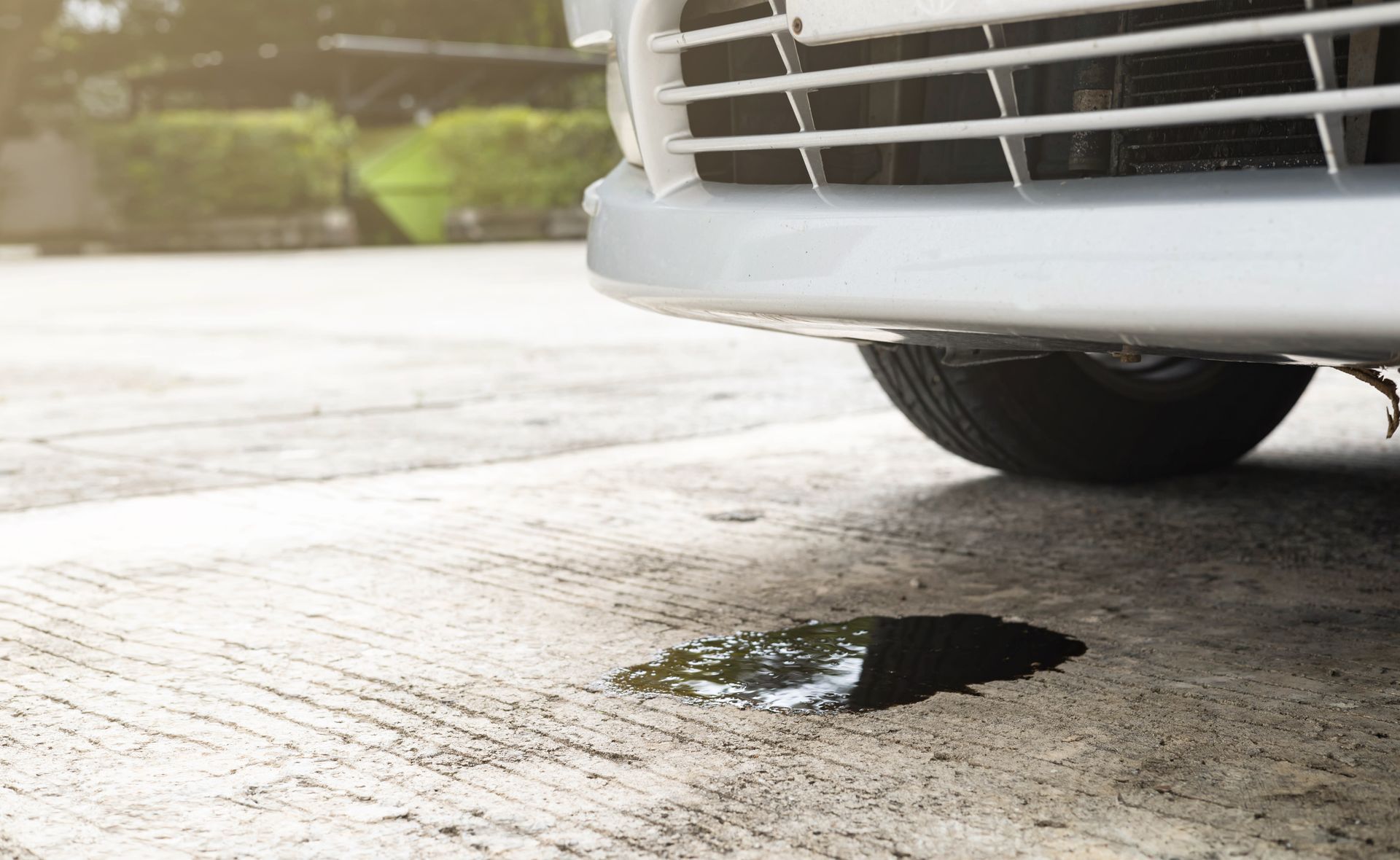
A leaking engine gasket is therefore relevant to a suspension estimate when oil has been soaking a nearby control arm mount. Replacing the bushing without correcting that exposure leaves the new part in the same environment. Frequent heavy loads and altered ride height also change the forces and working angles, even when the vehicle still feels acceptable during ordinary commuting.
Different Bushings Give Different Warnings
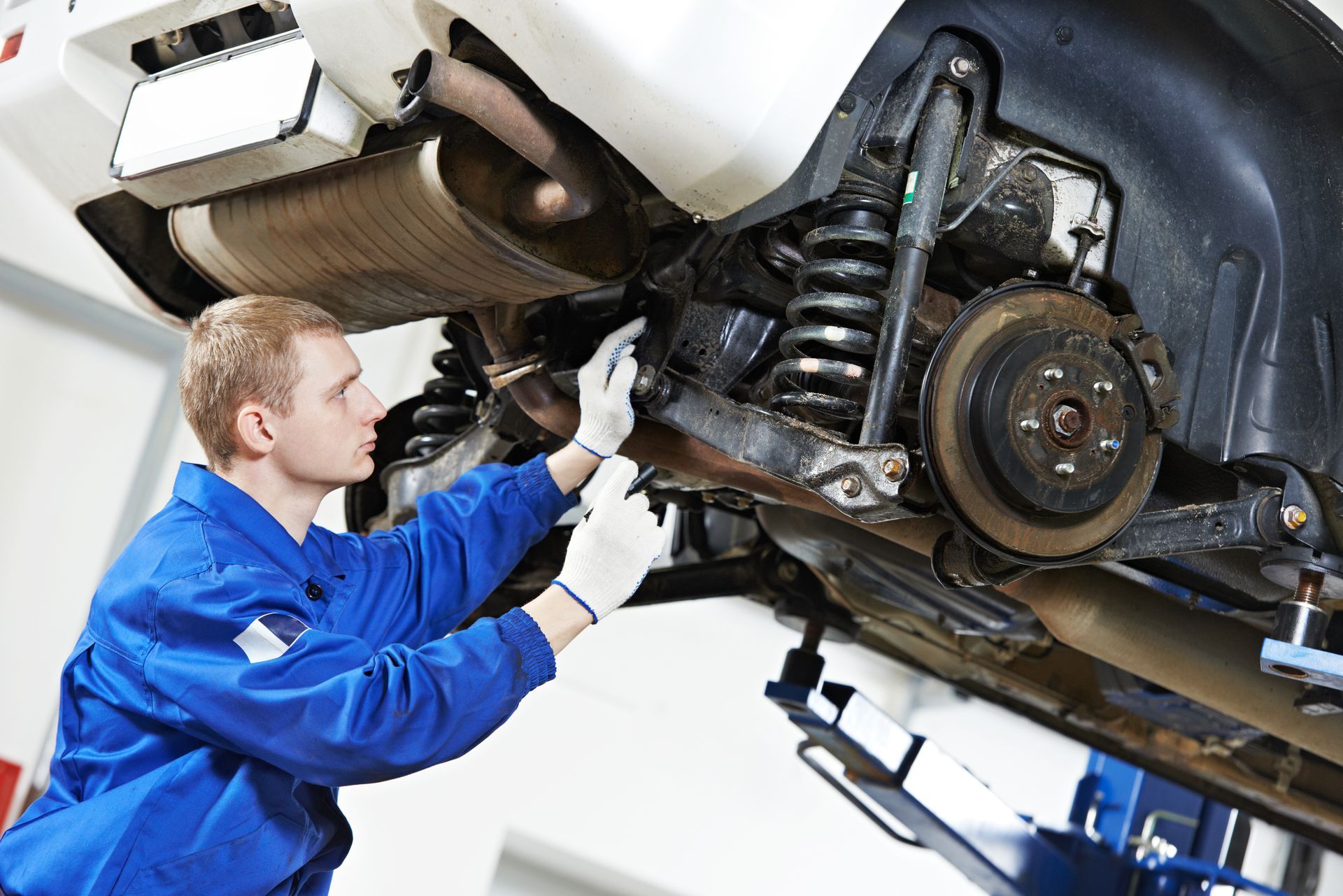
Control arm bushings can allow a wheel to shift fore-and-aft as braking force changes. That can feel like a dull knock, wandering, or an unsettled steering response. Sway bar mounting bushings are more likely to make noise as the bar moves, while subframe bushings can transmit movement or vibration through a wider area of the body.
Hydraulic bushings contain fluid to control movement and can leak when their flexible sections fail. Fluid arriving from above can be mistaken for a leaking bushing. We assess the location, ride behavior, and actual movement together. Tires, ball joints, strut mounts, and loose hardware can create similar complaints, so noise location alone isn't enough.
Installation Can Shorten the Life of New Parts
Many bonded-rubber bushings twist internally as the suspension moves. Their mounting bolts need final tightening at the specified ride-height position. Tightening them with the suspension hanging can leave the rubber permanently twisted when the car is lowered, reducing its available movement and encouraging early damage.
The replacement also needs the correct orientation and suitable hardware. Some arms allow separate bushing replacement; others are more practical to replace as assemblies because of construction or additional wear. An inspection should consider the arm and ball joint as well as the rubber. A new complete arm isn't automatically necessary, but pressing a bushing into a damaged arm isn't sensible either.
Decide What Needs Repair and What Can Be Watched
Ask which bushing has failed, whether the problem affects wheel location, and what other work shares the same labor. Replacing every bushing under the car isn't always necessary. On the other hand, a matching component with comparable damage can justify addressing both sides rather than treating each visit separately.
Include bushing checks in regular maintenance, especially after a hard impact or a change in tire wear. An alignment can be needed after repairs, but it cannot compensate for excessive movement in unrepaired parts. If steering becomes unpredictable or a wheel visibly shifts, stop using the car and arrange an assessment rather than waiting for a scheduled service.
Get Suspension Bushing Service In Stewartsville, NJ, With Louis Garage, Inc.
Louis Garage, Inc. in Stewartsville, NJ, can show you which bushings are worn and explain whether repair or monitoring is appropriate. The recommendation should match the condition of the parts.
Contact us to schedule a suspension check and discuss the wear behind the estimate.