You start the car on a cold morning and the old advice pops into your head: “Let it idle for 10 minutes before you drive.” Some friends swear by it, others say it is a total myth. Meanwhile, the engine sounds a bit different and you just want to do what is actually best for your vehicle, not waste fuel or cause extra wear.
The truth sits in the middle, and it depends a lot on how modern your car is and how you warm it up.
Where the “Warm It Up Forever” Advice Came From
That long-idle advice made more sense in the days of carburetors and older choke systems. Those engines needed extra time for fuel to atomize properly and for mechanical parts to settle into a steady idle. If you drive off too soon, the car could stumble, stall, or run very rich.
Modern fuel-injected vehicles handle cold starts far better. The computer adjusts fuel, timing, and idle speed in real time, so the engine can run cleanly much sooner. You still need a short warm-up, but nothing like the long coffee-break idles older drivers grew up with. A lot of what we see now is habit, not necessity.
What Happens Inside a Cold Engine
On a cold start, oil has settled into the pan and thickened with temperature. The first few seconds are all about getting that oil circulating to bearings, camshafts, and cylinder walls. Until that film is in place, every metal surface is working harder than it does once things are warm.
As the engine runs, the oil thins to its proper viscosity and reaches all the tight clearances it is designed to protect. Coolant temperature also rises, helping the engine reach its ideal operating range. That sweet spot is where wear is lowest, fuel burns more cleanly, and the engine computer can relax out of its cold-start strategy.
How Long Should You Let a Modern Car Idle in Winter?
For most modern vehicles, a short warm-up is enough. Usually 30 seconds to a couple of minutes of gentle idling is all it takes to get oil moving and give the engine a chance to stabilize. After that, the best warm up actually happens while driving gently, not sitting still.
Once you roll away, keeping speed and RPM modest for the first few miles lets the engine, transmission, and driveline warm together. Idling for 10 or 15 minutes does not speed that process up much, and it burns fuel without doing your exhaust system or cylinders any favors. We generally tell drivers that “short idle, then easy driving” is a good rule of thumb.
When a Longer Warm-Up Really Does Make Sense
There are still times when a bit of extra warm-up is helpful, mainly for comfort and visibility rather than the engine itself. For example:
- Clearing frost or light ice from the windshield and mirrors
- Letting the defroster dry out foggy glass before you pull away
- Extremely low temperatures where seats, belts, and dash plastics are very stiff
In those situations, a few extra minutes of idle to get some heat in the cabin and defroster is reasonable. The key is not to leave the car idling unattended for long stretches and not to assume 15 minutes of idling is better for the engine than a shorter, more controlled warm-up.
Signs Your Car Is Struggling with Cold Starts
If your engine really hates cold mornings, that is different from the normal “cold sound.” You might notice long cranking before it fires, stumbling and near-stalls after it starts, or a strong fuel smell that lingers. Sometimes the idle surges up and down instead of settling within a short time.
Those symptoms suggest underlying issues like weak ignition components, tired sensors, dirty throttle bodies, or fuel problems. In those cases, no amount of extra idling fixes the root cause. We have seen drivers live with rough cold starts for years, when a proper inspection and a few repairs could make the car start cleanly with only a short warm-up.
Habits That Help Your Engine in Winter
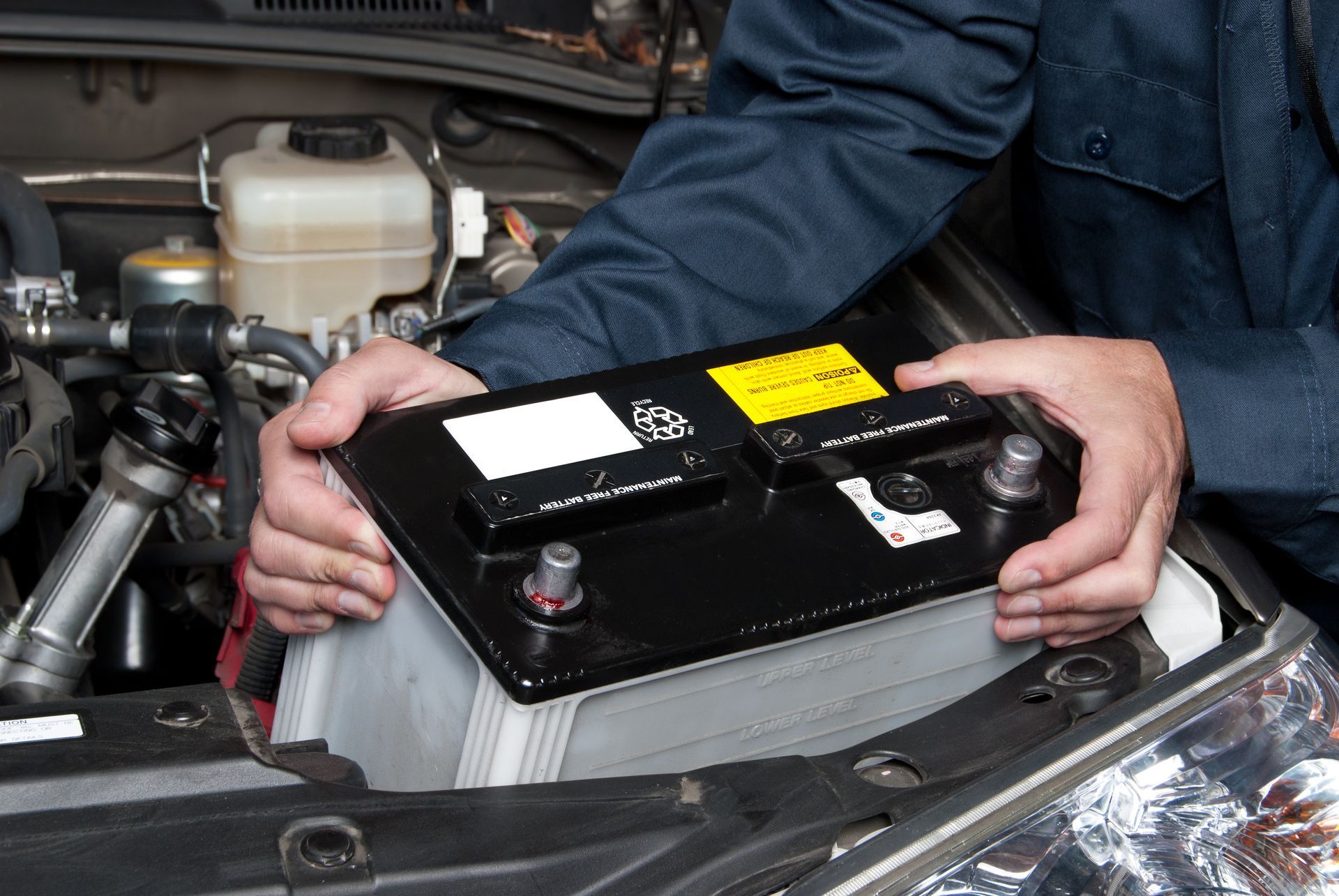
A few simple routines make winter starts and warm-ups much easier on the car. Using the correct oil viscosity for colder temperatures helps it flow quickly. Keeping up on battery health ensures strong cranking, which is half the battle on cold mornings. Fixing small vacuum leaks or tune-up issues before winter hits can keep cold-idle behavior from getting worse.
It also helps to ease into your drive. Give the engine that short initial idle, then avoid full throttle, high RPM, or hard braking for the first few miles. That gentle approach gives the engine, transmission, and brakes time to come up to temperature together instead of being shocked right out of the driveway.
Get Winter Driveability Help in Stewartsville, NJ, with Louis Garage, Inc.
If your car is hard to start, idles poorly when it is cold, or you are unsure how long to warm it up, now is a good time to have it checked before winter really settles in. We can look over your fluids, battery, ignition, and fuel system and give you a warm-up strategy that fits your vehicle.
Schedule a winter vehicle inspection in Stewartsville, NJ, with
Louis Garage, Inc., and we will help your car start more easily and feel more comfortable on every cold morning.