You pick up lunch at a drive-through and decide to eat on the way back to work. The road looks familiar, and the sandwich only needs one hand. But traffic can change in the seconds you spend unwrapping food or reaching for a drink. Eating behind the wheel divides your vision, hands, and concentration at the very moment you need them for driving.
Eating Adds Several Distractions at Once
Safe driving requires you to observe the roadway, interpret changing conditions, and control the vehicle. Eating often involves looking down, holding an object, opening packaging, and deciding where to set it. A dropped item may prompt another glance or a sudden reach. Even a simple drink can interrupt one-handed steering and shift your focus away from traffic.
These aren't separate problems that occur one after another. Visual, manual, and mental distractions overlap while you're taking a bite or dealing with a spill. You may think you're watching the road, yet your brain is dividing its processing capacity between tasks. That's why a familiar commute doesn't remove the risk. The unexpected brake lights ahead arrive on their own schedule, not when you finish eating.
A Short Glance Changes Reaction Time
Reaction time includes noticing a hazard, recognizing its significance, choosing a response, and beginning to brake or steer. When your eyes or mind are occupied with food, the start of that sequence is delayed. At highway speed, the car covers a substantial distance during even a brief distraction. The brakes cannot recover distance already traveled before you respond.
Suppose a vehicle ahead brakes suddenly while you're looking down to fix a loose wrapper. By the time you refocus, you've already used some of the gap you left. A longer following distance helps provide room, but it doesn't make eating while driving safe. Maintaining focus is the first step in a timely reaction. A clean road with light traffic can still change abruptly because of debris, an animal, or a vehicle entering from a driveway.
Spills Can Cause Abrupt Steering or Braking
Hot coffee on your lap or a drink tipping into the center console triggers a natural reaction. You may look down, release the wheel, or move your body away from the spill. An open food container can slide during a curve, encouraging you to catch it while the car is moving. These movements interfere with consistent control even before the food becomes a distraction to your thinking.
Don't reach for dropped items or try to clean a spill while driving. Keep the vehicle stable, find a safe location to park, and deal with the problem there. If hot liquid causes pain or affects your ability to control the vehicle, stop safely as soon as possible and seek help as needed. The food isn't important enough to justify a sudden lane change or hard braking maneuver.
Fast Food Isn't the Only Problem
A quick snack might seem safer than a full meal, but the amount of food doesn't determine how much concentration it consumes. Peeling fruit, opening wrappers, handling sauce packets, or searching for something in a bag all require visual and manual effort. Passenger conversations about food and reaching into the back seat create additional distractions. Even drinking through a straw requires you to position a container and manage it while driving.
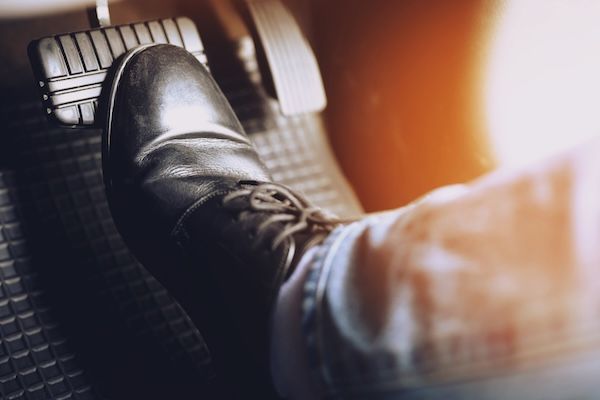
Plan to eat before leaving or during a parked break. If you're traveling with children, give them food while stopped and secure containers before moving. A passenger can help manage supplies, but the driver still needs to focus on the roadway. Never position food or drink where it obstructs controls, interferes with the pedals, or can roll underfoot. Simple preparation prevents a surprising number of avoidable distractions.
Build a Routine That Makes Eating Less Tempting
People often eat while driving because the schedule feels tight. A few minutes at the restaurant or a safe parking area may seem inconvenient, but they keep the task separate from operating the car. On a road trip, planned meal breaks help everyone rest and reduce the urge to snack continuously behind the wheel. You can use the stop to check navigation and prepare for the next portion of the route too.
Try these habits before departure:
- Finish meals while safely parked
- Close and secure all drink containers
- Put loose food bags out of the driver's reach
- Set your route and music before moving
- Plan another stop when you become hungry
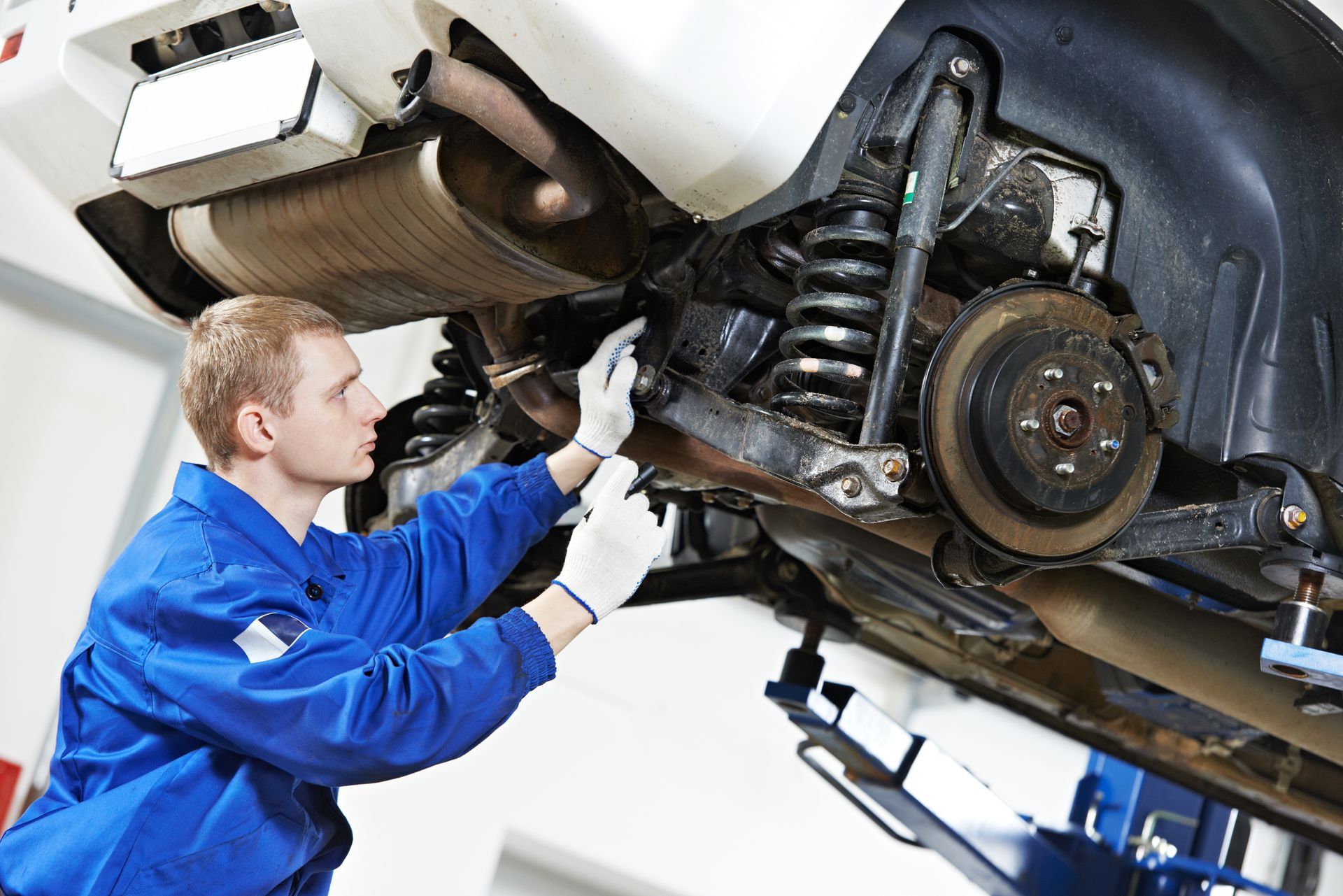
Maintenance and inspection support predictable brakes, steering, and tires, but a well-kept car can't compensate for a distracted driver. Keep the cabin organized enough that nothing slides into the pedal area. We can inspect a brake or steering concern, but the driver has to protect the time needed to respond to an unexpected hazard. A practical routine makes concentration easier when traffic suddenly changes.
Vehicle Control and Driver Focus Work Together
A healthy brake system helps the car respond when you press the pedal. Good tires provide grip, and accurate alignment supports predictable steering. None of those components changes the time lost while your focus is away from the road. That's why reaction distance increases when you notice a hazard late, even if the mechanical braking distance remains unchanged.
If the brakes grind, steering pulls, or the car vibrates, schedule an inspection before those symptoms complicate a busy commute. We explain the findings and any repairs needed to restore normal response. Regular maintenance supports the vehicle's response, while keeping food for parked stops supports yours. The goal isn't to avoid eating during a long day. It's to enjoy the meal without dividing your concentration during the miles when safe driving needs it most.
Get Brake and Vehicle Safety Inspection in Stewartsville, NJ, With Louis Garage, Inc.
Louis Garage, Inc. in Stewartsville, NJ helps drivers evaluate braking, steering, and tire concerns before daily travel. We explain the inspection findings and the recommendations supported by the vehicle's condition.